



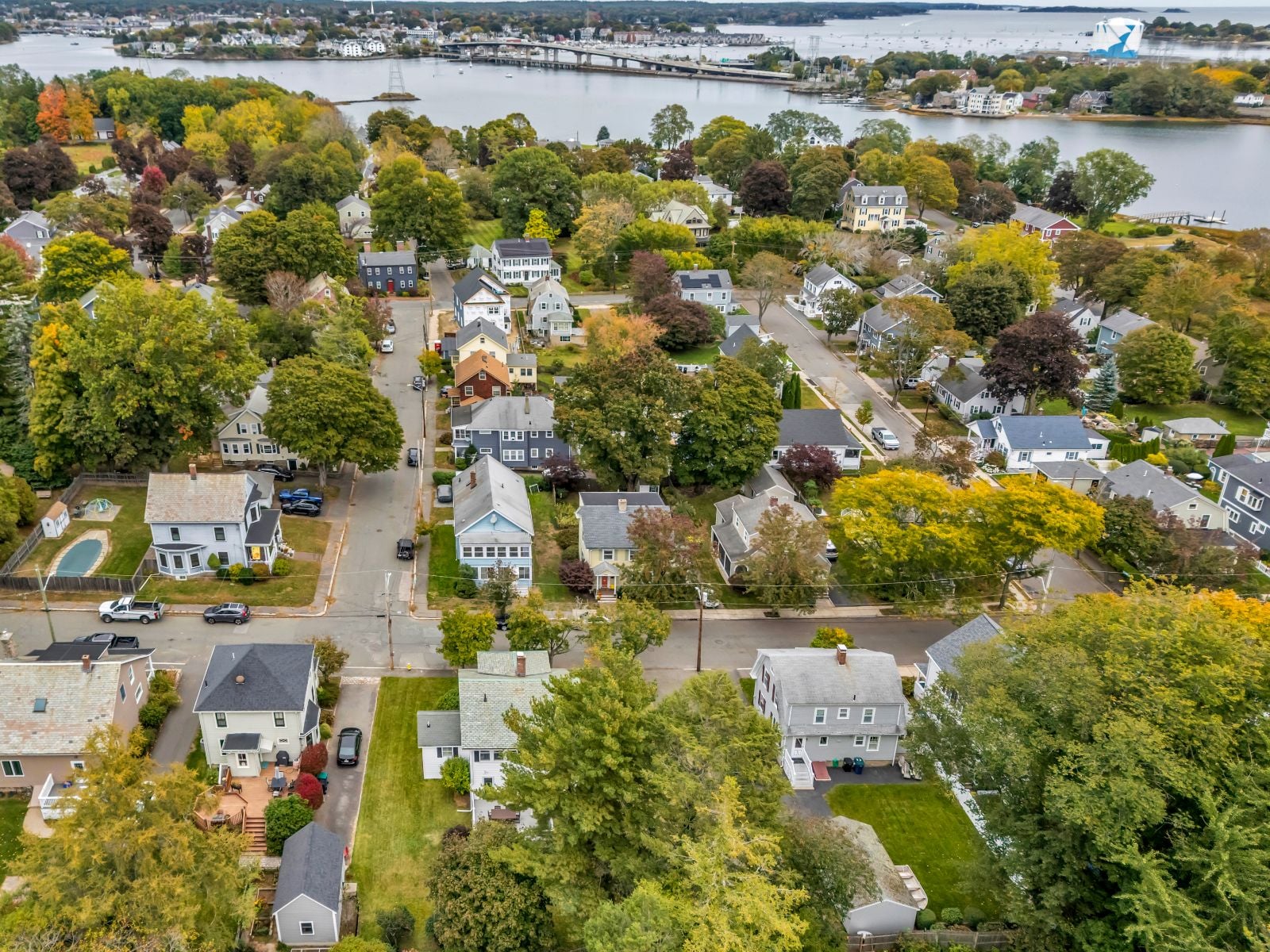
Question 7 on the November 3 ballot would let a single-family home be built on any residentially zoned lot in Massachusetts that has at least 5,000 square feet, 50 feet of frontage on a street, and public water and sewer. Cities and towns would keep control over height, setbacks, open space, parking, and short-term rentals. In Salem, where the single-family minimum in the R1 district is 15,000 square feet, that’s a big change. Here’s what the question does, what both sides are saying, and why I’m voting yes.
What Question 7 actually does
Right now, every city and town sets its own minimum lot size for building a house. Some allow a home on 3,000 square feet. Others require an acre or more. Question 7 would set a statewide ceiling on how much land a community can require for a single-family home, but only on lots that already have the basics in place.
To qualify, a lot would need to:
- Be in a residentially zoned area
- Have at least 5,000 square feet of land
- Have at least 50 feet of frontage on a street or public way
- Be served by public water and sewer
Here’s what it doesn’t do:
- It only covers single-family homes. It doesn’t allow duplexes, triple-deckers, or apartment buildings.
- Local rules on height, distance from neighbors, open space, parking, and short-term rentals stay in place.
- It doesn’t apply to Boston, which has its own zoning law.
- It doesn’t help areas on wells and septic systems, since public water and sewer are required.
If it passes, the Executive Office of Housing and Livable Communities would write the regulations that spell out the details. The law would take effect about a month after the election.
Why this matters in Salem
Salem is an old city, and most of it was built long before today’s zoning. Our R1 single-family district requires 15,000 square feet of lot area and 100 feet of frontage. Walk almost any street in Salem and you’ll see homes on lots far smaller than that.
At an April 2025 city hearing on Salem’s ADU rules, one city councillor estimated that about 90% of the city’s lots are nonconforming, meaning they don’t meet current zoning. I can’t verify that exact number, but it matches what I see every week: a large share of Salem homes sit on lots that wouldn’t be allowed if you tried to create them today.
Here’s a real example. In April 2025, Salem’s Zoning Board of Appeals considered splitting a property on Valley Street, in the R1 district, into two lots of about 6,500 square feet each, with 50 feet of frontage apiece. Because R1 requires 15,000 square feet and 100 feet of frontage, the owner needed a variance. Lots like those would meet Question 7’s thresholds.
How Question 7 would treat existing undersized lots, splitting a lot, or rebuilding on one will depend on the state’s regulations and Salem’s own rules, so don’t make plans around it before those are written. What’s clear is that Salem has a lot of land that’s already served by water and sewer and sits on lots between 5,000 and 15,000 square feet. That’s exactly where this question would make a difference.
The case for a yes vote
The campaign behind Question 7, Legalize Starter Homes, is supported by housing advocates, several chambers of commerce, and real estate groups, including the Massachusetts Association of REALTORS®. Their main arguments:
- Land is the biggest cost. When a town requires a large lot, the land alone makes a modest house hard to pencil out, so builders put up bigger, more expensive homes instead.
- Massachusetts needs homes. The state estimates it needs about 222,000 more homes by 2035.
- Large lot rules limit who can live in a community. Supporters say big minimums keep out first-time and moderate-income buyers.
The case for a no vote
There’s no organized opposition campaign, but the Massachusetts Municipal Association, which represents the state’s cities and towns, has raised concerns:
- Local control. Zoning decisions belong with the communities that live with them.
- No affordability guarantee. Nothing in the question requires the new homes to be small or affordable. Opponents worry builders will put expensive homes on the smaller lots.
- Infrastructure. Having a water and sewer connection doesn’t mean a town’s whole system, or its schools, can handle more homes.
- Timing. The state just changed the rules on ADUs and the MBTA Communities Act. Opponents would rather see how those play out first.
How many homes would it create?
Estimates vary widely. The campaign projects 2,200 to 5,700 new homes a year statewide. Tufts University’s Center for State Policy Analysis estimates 350 to 1,200 a year, mostly in suburbs around Boston with public sewer and lots large enough to divide. Either way, this isn’t a flood of new housing. It’s a gradual change in what can be built where.
Why I’m voting yes
I’m voting yes on Question 7.
For more than 20 years, I’ve worked with first-time buyers in Salem and across the North Shore. The hardest part of my job right now is watching qualified, hardworking people get priced out because there aren’t enough homes at the entry level. Homeownership is still the most reliable way I know for a family to build generational wealth, and right now the door to it is too narrow.
Question 7 won’t fix that on its own, and opponents are right that it doesn’t guarantee affordable homes. But in a city like Salem, where so many lots already fall short of our own zoning, it would make it easier to add a modest single-family home where water, sewer, and a street are already there. That’s a sensible place to start.
What it could mean for Salem real estate
If Question 7 passes, here’s what I’d expect locally, based on how our market works today:
- More options for first-time buyers, slowly. New homes on infill lots take time to permit and build. Don’t expect prices to drop. Expect a few more choices over the next several years.
- Some larger lots may become more valuable. If you own a lot that could be divided into two lots of at least 5,000 square feet with 50 feet of frontage each, the land itself may be worth more to a buyer or builder. Talk to a real estate attorney before you assume anything about your lot.
- More neighborhood conversations. New homes on smaller lots will change some streets. Salem’s rules on height, setbacks, and parking would still apply.
If it doesn’t pass, nothing changes. Salem’s current lot requirements stay in place, and new single-family lots below 15,000 square feet in R1 will still need relief from the Zoning Board of Appeals.
Frequently asked questions
When is the vote on Question 7?
Election Day is Tuesday, November 3, 2026. If it passes, the law would take effect about a month later.
Does Question 7 allow apartment buildings or duplexes?
No. It only covers single-family homes.
Can Salem still regulate what gets built?
Yes. Salem would keep its rules on height, setbacks, open space, parking, and short-term rentals. Question 7 only limits how much lot area and frontage the city can require for a single-family home.
Does Question 7 apply to my lot?
Only if your lot is residentially zoned, has at least 5,000 square feet and 50 feet of frontage, and is served by public water and sewer. The state’s regulations will fill in the details. For a specific property, check with Salem’s Planning Department or a real estate attorney.
Will Question 7 make homes in Salem cheaper?
Not quickly, and not on its own. Nothing in the question requires new homes to be small or affordable. The goal is to allow more homes over time, which can ease pressure on prices.
Have questions about your property?
Whatever happens on November 3, if you’re wondering what your lot or home could be worth, or what a change like this could mean for you, I’m happy to talk it through. Book a call with me, or request a free home valuation.
The views in the “Why I’m voting yes” section are my own. This article is general information, not legal advice. For questions about a specific property, talk to a real estate attorney.